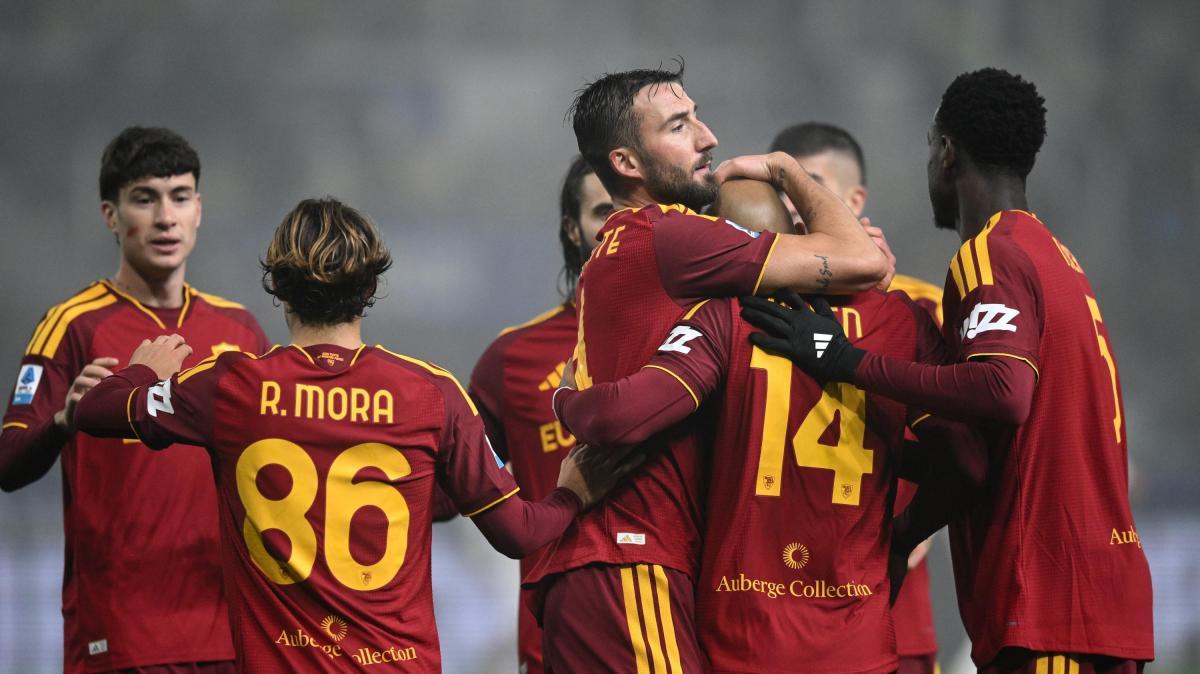
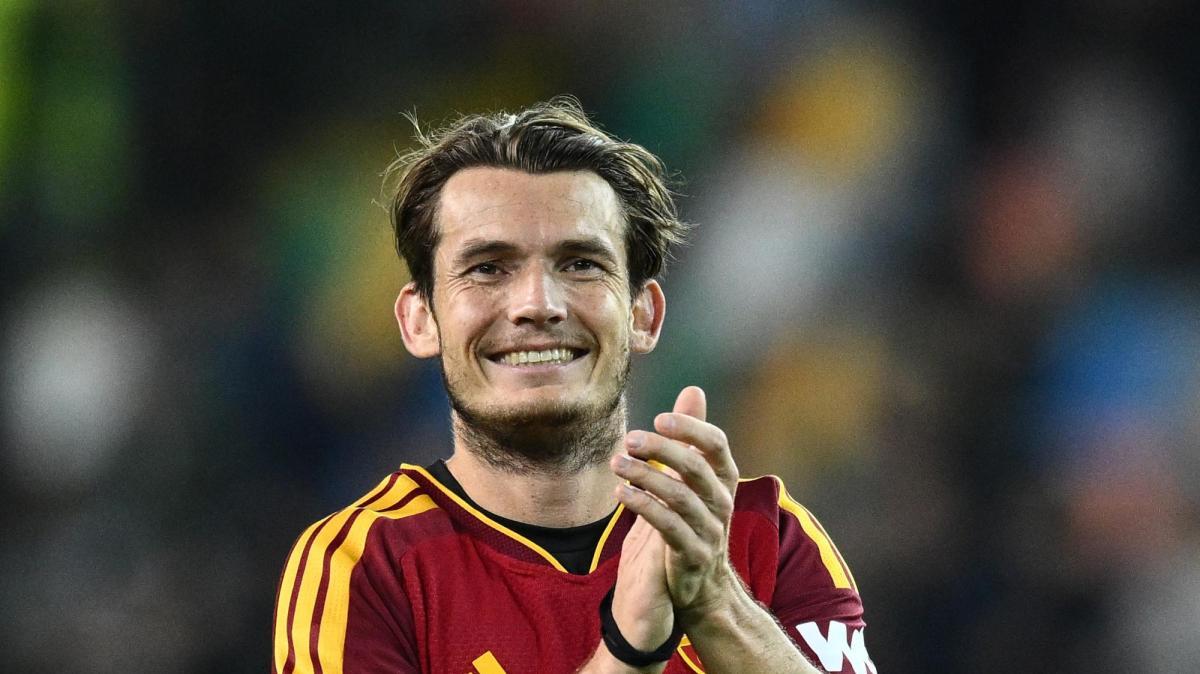
Niko Kovač in Borussia Dortmund's 1-1 against Arsenal
26 November 2026·3 min read·Óscar Ruiz
Niko Kovač pointed out that Borussia Dortmund relinquished the initiative after the 1-1 draw against Arsenal in the 5th game of the UEFA Champions League group stage, while acknowledging the quality of the English opposition.
Niko Kovač in Borussia Dortmund's 1-1 against Arsenal
The result affects how Боруссия Dortmund are viewed in the wider season picture and in the UEFA Champions League.
Key Points
Niko Kovač in Borussia Dortmund's 1-1 against Arsenal.
Niko Kovač, coach of Borussia Dortmund, said that his team was too passive after the equal goal in the 1-1 against Arsenal on the 5th matchday of the UEFA Champions League.
Ковач — о матче «Боруссии» с «Арсеналом»: после ответного гола играли производно пасивно - Чемпионта.
Niko Kovač acknowledged the weight of the challenge posed by Arsenal after Borussia Dortmund drew 1-1 in the 5th game of the UEFA Champions League general stage. According to the Dortmund coach, it was clear to them even before the match that they would be facing a team of the highest level, and it was immediately evident in the rhythm of the start where they struggled to gain control. However, the black and yellows got back into the match and brought hope in the crucial minutes that followed.
Kovač recounted that Dortmund controlled the ball better at the start of the second half, an indication that they had corrected some details in the build-up and position in the middle. But after the equal goal, the pace of the match moved in favor of the Gunners. "After the equalizing goal, we went back a bit — we were too passive — and that's when Arsenal got their rhythm," he said, according to UEFA's official website. The small pause in the aggression and the height of the defense allegedly allowed the Londoners to return to dictate the tempo and field position in the final period.
In the context of the Champions League, the fifth of six group stage matches often sets the turning point — and here, both sides have added important points. For Dortmund, the tactical lesson was mainly: maintain the height of the line, discipline in the press, and continuous passing so as not to lose the initiative when there is a change in the scoreline. Their better start to the second half showed they were capable of dictating the game, but reaction after the opposition's recovery proved critical.
For Arsenal, getting back into the rhythm quickly is a reflection of the quality and depth of the group — ability to hold the ball under pressure and time the attack when the opposition's defense hesitates. At this level of competition, small moments of hesitation or lack of courage in the middle can change the flow of the entire match, as Kovač emphasized.
As the final matchday of the group approaches, both Dortmund and Arsenal have work to do. They got a point each, but the lessons weighed more heavily: for Dortmund, consistency in intensity from start to finish; for Arsenal, continuing to control when a window is opened by the opponent. All in all, Kovač described the outcome as a game of small details—where even a slight pullback after an even goal can reverse the momentum on Champions League nights.
What's next
Attention now turns to the next fixture, possible lineup changes, and how coaches use this result in their preparation.