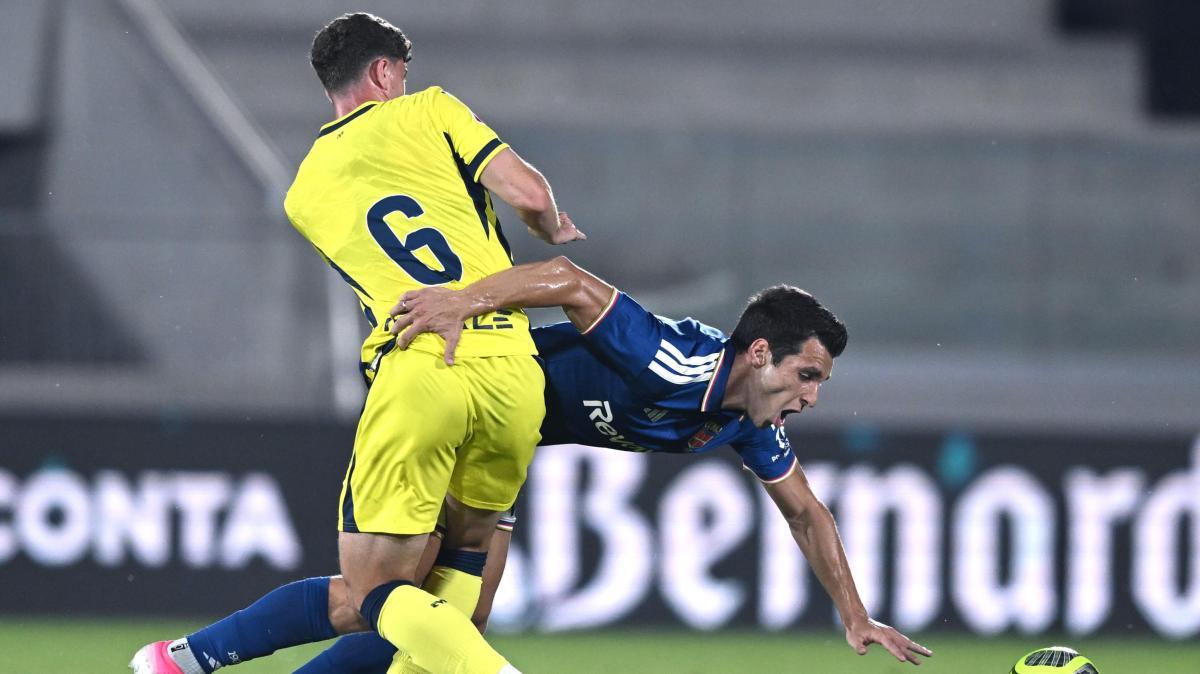
Chaos at the End: Paredes Red Card After Hot Finish

The heated end to the match between Spain and Argentina at the FIFA World Cup 2026 is now the talk of the town, after emotions and tensions flared among the players, especially some from the side of
Confusion at the End: Paredes Red Card After Hot Finish
According to Vi.
Context
Leandro Paredes, who came on as a substitute in the match, showed much emotion after Argentina's defeat. His action highlighted the challenges of controlling emotions at a high level of competition, especially in a prestigious tournament like the World Cup 2026. His situation exposes potential issues in team dynamics that the coaching staff must address.
Why it matters
The incident between Argentina and Spain players highlighted the tension and emotion that often accompanies World Cup matches, especially in the knockout stages. The red card to Leandro Paredes exposes disciplinary issues that could affect their next matches at the World Cup 2026. Such incidents become part of the story of teams at the big tournament, bringing additional pressure on the players and coaching staff.
Key Points
- Trouble at the End: Paredes Red Card After Hot Finish.
- There were violent clashes and tensions after the match between Spain and Argentina in the World Cup, where several Argentine players, including Leandro Paredes, were punished for uncontrollable emotions.
- Stoppen slaan door bij Argentijnen, Paredes krijgt nog rood na laasthee fluitsignaa.
What's next
After the incident, it is expected that there will be a review of the actions of Paredes and other Argentine players. His red card could lead to a suspension in the next few games, which will be a challenge for their World Cup 2026 campaign. The coaches and players need to focus on their discipline and building team spirit to recover in the next matches.
Frequently Asked Questions
What happened in the match between Spain and Argentina?
The match between Spain and Argentina at the FIFA World Cup 2026 had a heated ending, with Leandro Paredes getting angry and receiving a red card after the match.
Who gave the red card to Paredes?
Referee Slavko Vincic gave the red card to Leandro Paredes.
Why was there tension in the match?
There was tension in the match due to unacceptable results by Argentina players, especially Leandro Paredes, who lost control and contacted Spain players.
What are the changes in referee discipline after the match?
Continuously talking about skill of the referee in imposing discipline, especially Paredes was the only one who was actually caught and given a red card in the incident.
How did the Argentine players react to the result?
Several Argentina players, including Paredes, displayed objectionable behavior and were angry at the outcome of the match.
Related News
- Pochettino proud but warns: This is just the beginning for USA
- World Cup 2026
- World Cup 2026
- World Cup 2026
- World Cup 2026
Related News
Related News
Related News
Mga Madalas na Itanong
- What happened in the match between Spain and Argentina?
- The match between Spain and Argentina at the FIFA World Cup 2026 had a heated ending, with Leandro Paredes getting angry and receiving a red card after the match.
- Who gave the red card to Paredes?
- The referee Slavko Vincic gave a red card to Leandro Paredes.
- Why was there tension in the match?
- There was tension in the match due to unacceptable results by Argentina players, especially Leandro Paredes, who lost control and engaged with Spain players.
- What are the changes in referee discipline after the match?
- The referee's skill in imposing discipline continues to be discussed, especially since Paredes was the only one who was actually caught and given a red card in the incident.
- How did Argentina's players react to the result?
- Several Argentine players, including Paredes, displayed unsavory behavior and were angry at the outcome of the match.
- What happened in this story?
- Chaos at the End: Red Card to Paredes After Hot Finish summarizes the main development covered in this report.
- Who confirmed this news?
- See the source attribution in the article for where this report was first published or corroborated.