Financial Winners and Losers from World Cup 2026
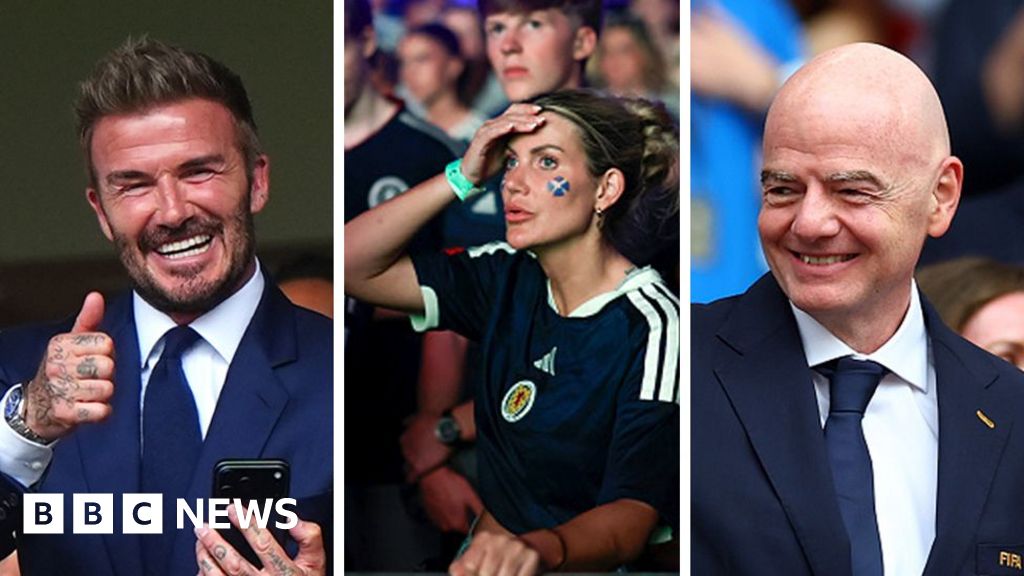
As the scope of the World Cup 2026 grows, there are big money winners and there are sectors that are hurt. Check out who made the money — and who paid the big bucks.
Mga Nagwagi at Natalo sa Pananalapi mula sa World Cup 2026
Ayon sa News.
Konteksto
Si David Beckham, bilang isang prominenteng personalidad sa football, ay maaaring makakita ng pagtaas sa kanyang komersyal na halaga kasunod ng World Cup 2026. Ang kanyang koneksyon sa Inter Miami at ang pagdagsa ng mga bituin tulad nina Lionel Messi at Jude Bellingham ay nagdadala ng mas mataas na atensyon sa liga, na maaaring makapagbigay ng benepisyo sa mga club at mga manlalaro sa hinaharap.
Why it matters
The World Cup 2026 is not only an important event in the field of football but also a huge business opportunity. With the increase in countries and matches, FIFA's revenue is expected to increase, becoming the main beneficiary of revenue streams from broadcast, sponsorship, and ticket sales. However, fans face high costs, exposing the uneven economic benefits of the World Cup.
Key Points
- Financial Winners and Losers from World Cup 2026.
- The enlarged World Cup opened up more revenue streams for FIFA, broadcasters, sponsors and strengthened the commercial value of some personalities, while fans, some host cities and the hotel industry felt the negative impact.
- The financial winners and losers from the World Cup.
What's next
As preparations for the 2026 World Cup continue, more debate can be expected over ticket prices and their impact on fans. Organizations, such as FIFA, can continue to develop new revenue streams to maintain their income. On the other hand, host cities and the tourism industry must find ways to improve the visitors' experience despite increasing costs.
Frequently Asked Questions
What happened financially to the World Cup 2026?
There were financial winners and losers, with FIFA taking the main profit while many fans felt the burden of high costs.
Who confirmed that FIFA is the main earner?
According to Marion Laboure of Deutsche Bank Research, there is no doubt that FIFA is the top beneficiary.
Why is there talk now about the finances of the World Cup 2026?
Given FIFA's expected increase in revenue from the expanded format and more matches at the 2026 World Cup.
What changes have occurred in ticket pricing for the World Cup 2026?
Ticket prices have increased due to dynamic pricing, with prime tickets reaching high prices.
What is the impact of the World Cup 2026 on broadcasters and sponsors?
Even though the broadcasters spent a lot, they also made money from selling ad slots because of the very high viewership.
Kaugnay na Balita
Kaugnay na Balita
Mga Madalas na Itanong
- Ano ang nangyari sa pananalapi sa World Cup 2026?
- May mga nagwagi at natalo sa pananalapi, kung saan ang FIFA ang pangunahing kumita habang maraming tagahanga ang nakaramdam ng pasanin sa mataas na gastos.
- Sino ang nag-confirm na ang FIFA ang pangunahing kumita?
- Ayon kay Marion Laboure ng Deutsche Bank Research, walang duda na ang FIFA ang nangungunang nakikinabang.
- Bakit ngayon ang usapan tungkol sa pananalapi ng World Cup 2026?
- Dahil sa inaasahang pagtaas ng kita ng FIFA mula sa pinalawak na format at mas maraming laban sa World Cup 2026.
- Anong mga pagbabago ang naganap sa ticket pricing para sa World Cup 2026?
- Tumaas ang presyo ng ticket dahil sa dynamic pricing, na may mga prime ticket na umaabot sa mataas na halaga.
- Ano ang epekto ng World Cup 2026 sa mga broadcasters at sponsors?
- Kahit malaki ang ginastos ng broadcasters, kumita rin sila mula sa pagbebenta ng ad slots dahil sa napakataas na viewership.
- What happened in this story?
- Mga Nagwagi at Natalo sa Pananalapi mula sa World Cup 2026 summarizes the main development covered in this report.
- Who confirmed this news?
- See the source attribution in the article for where this report was first published or corroborated.