Tactical analysis: how the Netherlands found space against Sweden
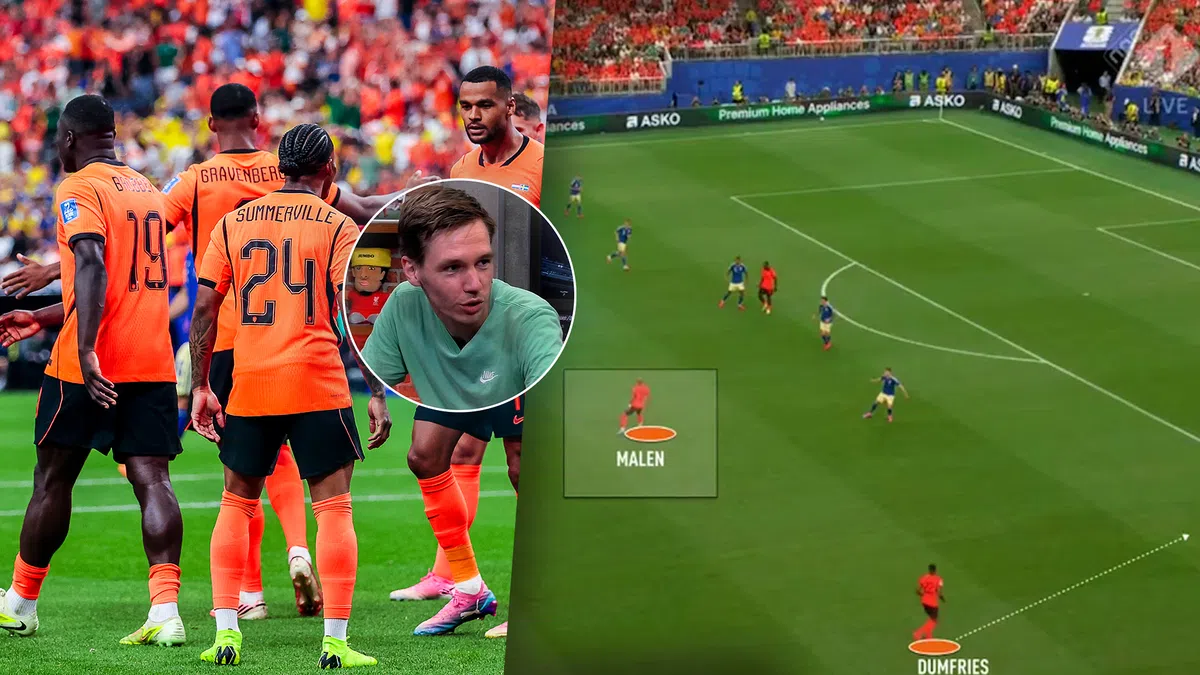
After the Netherlands' clean win against Sweden, an analysis of how the Oranje opened up the defense: the role of Ryan Gravenberch and Denzel Dumfries, and why Sweden struggled with Donyell Malen and Brian Brobbey.
After a convincing win by the Netherlands against Sweden, a deeper story emerged behind the result: a clear and effective plan on how to pull off a tight and organized defence. The Oranje showed that the investment is not just speed and individual talent — but spatial discipline, simultaneous movement, and the right timing to always find the 'free' player.
How the defense is opened:
- Quick and calm circulation of the ball made Sweden rotate, pulling their line left or right until space appeared. Once the 'free' is found, the progression is straightforward — there's no extra kick, so the Oranje are always ahead with every second ball.
Role of Ryan Gravenberch:
- Gravenberch is the bridge in the middle: careful in position to be an option between the lines and patient enough to turn or turn the attack. With every move he makes moving away or inside, a subsequent space is created for the defender — the exact rhythm needed to keep the passing lane open to the front.
Denzel Dumfries' width and threat:
- On the right, Dumfries lay wide. When Sweden tightens in the middle, he opens up the corner and pulls the full‑back, which in turn opens up a passage for a co-attacker. His aggressive run down the line provided a constant outlet and required the defense to make a decision — go with him or shut down — and either way, space would appear for the Oranje.
Why Sweden struggled with Donyell Malen and Brian Brobbey:
- Both Malen and Brobbey's first and second steps were sharp. Whenever they threaten at the back, Sweden's central defenders are forced to drop back, freeing up the center for midfield. When Sweden pressed, the two could receive the ball in the tight and turn quickly forward. The combination of speed, physicality, and direct running put the defense in one dilemma after another.
Patterns for the rest of the tournament:
- Consistently finding the 'free' man, disciplined width on the wing, and coordinated movement between the lines — this was the brand that emerged in the match. If the Netherlands can maintain this rhythm and decision‑making, they have a foundation to rely on against tougher opponents at World Cup 2026. No need for boring kicks; good positioning, decision-making speed and a ready threat at the back are enough to keep opening doors.
All in all, the Oranje showed that they are ready to win through structure and intelligence. The roles of Gravenberch and Dumfries were clear in the build-up, while the intensity of Malen and Brobbey completed the picture at the end. If these patterns repeat themselves, the Netherlands' ceiling will rise further in the coming matches.